adhd organization that survives your brain
you have built the perfect organization system at least three times. color-coded, complete, abandoned by week two - and each collapse got filed as more evidence that you are the problem.
the systems were the problem. every one of them relied on you remembering to use them, and a memory-dependent system handed to an interest-driven brain is a bridge built on fog. what survives is different in kind, not in effort: it interrupts you, instead of waiting to be remembered.
the interrupt rule
one test decides whether any organizational tool will still be alive in a month: does it come get you, or does it wait for you?
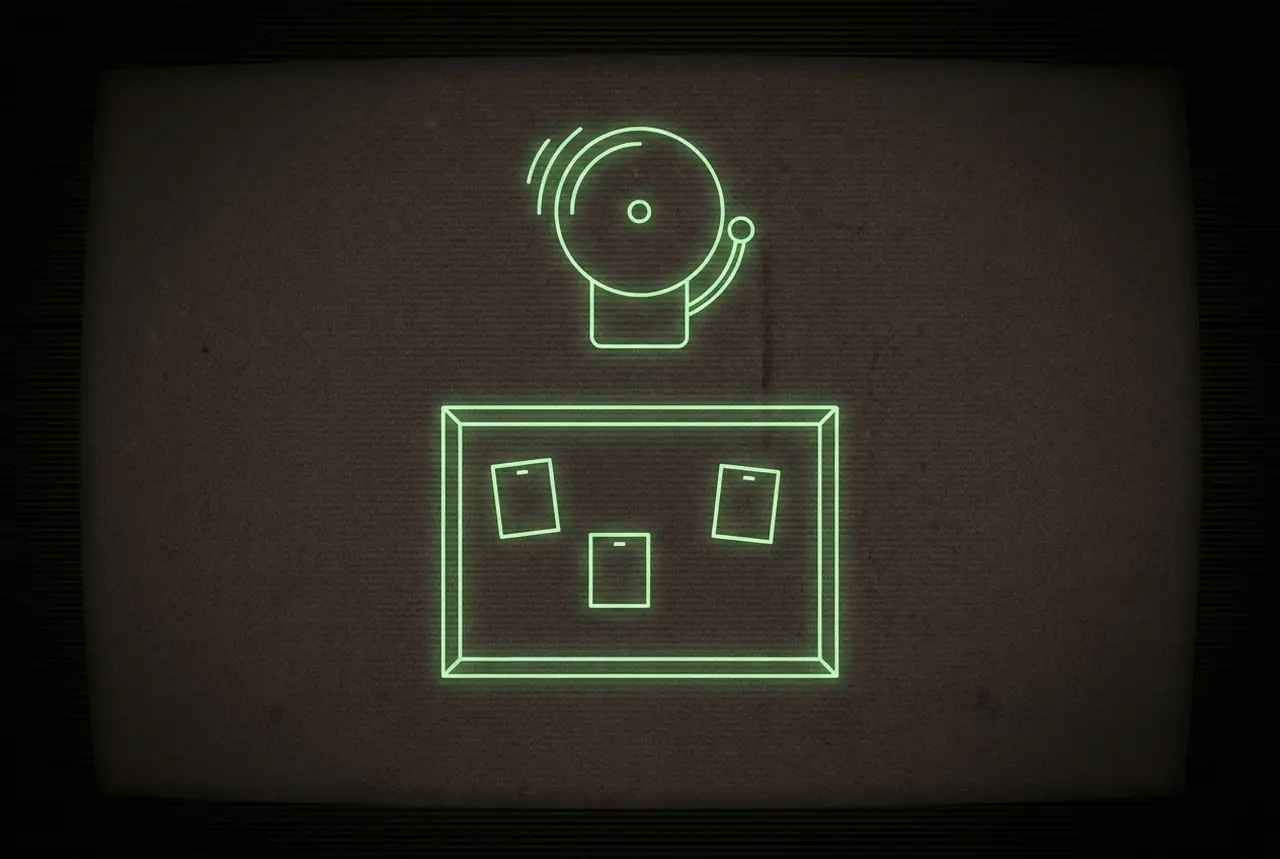
a planner waits. a filing system waits. waiting tools die, because on the day attention is elsewhere - most days - a waiting tool is invisible. an alarm comes and gets you. a calendar notification comes and gets you. a board mounted where your eyes land comes and gets you. build only with tools from the second family and the system stops depending on the exact faculty that fluctuates.
the minimal stack: three pieces
more system means more surfaces to abandon. three pieces cover a whole life, and each one earns its place by interrupting:
- one inbox. a single capture point - one note on your phone - where everything lands the second it appears: tasks, ideas, "don't forget"s. not four apps and a drawer; one. capture only externalizes - the organizing happens later, at the weekly sort - and working memory is the scarcest resource you have. the inbox exists so your head can stop holding things.
- one calendar, everything with alarms. if it matters, it gets a time and a notification - including things that are not meetings: start the invoice, take out the bins, look at the inbox. the calendar is the machine that comes to get you; feed it everything.
- one visible board. three columns - now, next, done - on paper or a whiteboard, mounted where you sit. not in an app. the board's job is passive interruption: your eyes cross it fifty times a day, and each crossing is a free reminder that costs no discipline.
the connecting habit is a ten-minute weekly sort: empty the inbox into the calendar and the board. put the sort itself in the calendar with an alarm, or it becomes the first casualty.
routines: anchor to events, not times
"every day at 7am" is a promise to a clock, and the clock does not come get you. "right after i pour the first coffee" is anchored to something that already happens - the existing event drags the new habit along behind it.
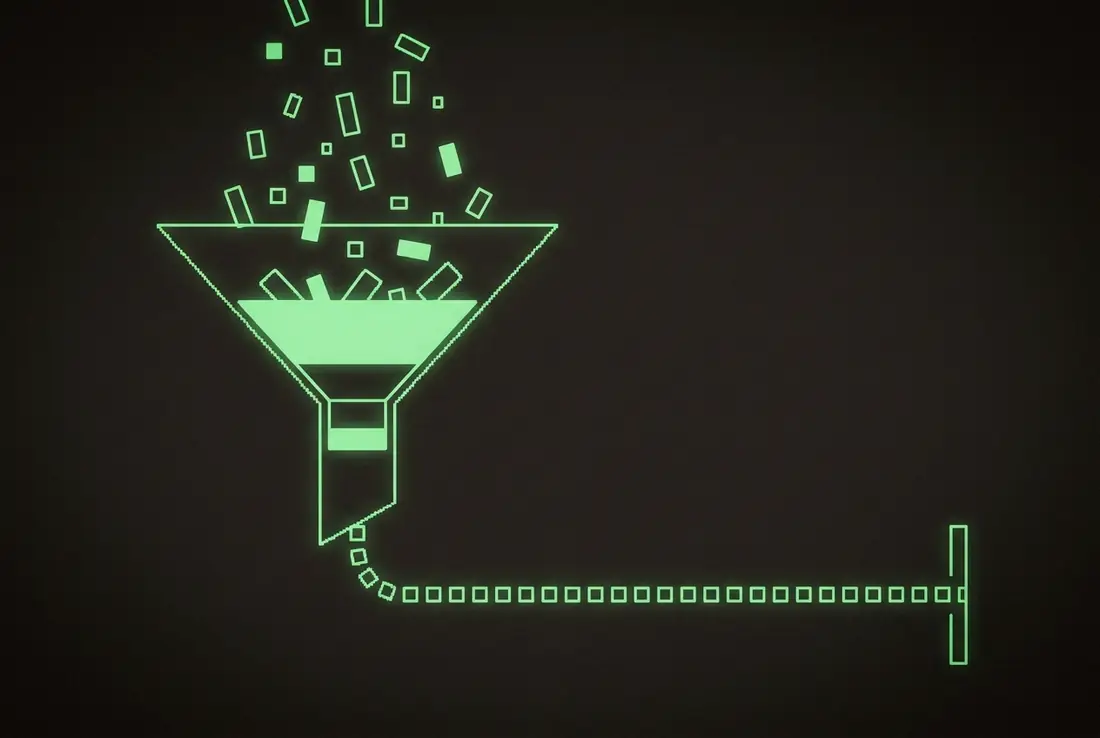
build routines as short chains hooked to fixed points: after coffee, look at the board. after closing the laptop, set tomorrow's first task on top. after dinner, one lap of the inbox. two or three links per chain, no more - a long routine is a row of dominoes, and one missed link kills the run. short chains restart free.
miss a day, and the rule is: shrink, never repeat. a skipped routine means the version was too big for real life; halve it and continue. the spiral to avoid is the shame loop - miss, self-punish, avoid the system that witnessed the miss - which is how good systems die of one bad week.
tools that fit the wiring
the market sells adhd organization hard, so filter with the interrupt rule and these leans:
- alarms over lists. any task app you use must fire notifications you cannot miss; a silent list is a waiting tool in costume.
- paper where visibility matters, digital where alarms matter. the board wants to be physical (always-on, zero taps away); the calendar wants to be digital (it can shout).
- timers for starting. a 10-minute timer converts "work on it" into "survive ten minutes" - the start is the wall, and ramps beat willpower.
- body doubling for the boring sorts. the weekly inbox-empty goes easier on a call or beside another human; borrowed presence is borrowed activation.
your hour
- make the one inbox: a single note, named, on your phone's home row - migrate nothing yet, capture from now
- put three non-meeting tasks in the calendar for tomorrow, each with an alarm
- draw the board: three columns on any paper, tape it at eye level, load only this week
- book the weekly ten-minute sort in the calendar, alarm on, and let the system - not your memory - carry the rest
faq
why do organization systems never stick with adhd?
because most systems rely on remembering to use them, and adhd working memory and activation fluctuate. systems built to interrupt you - alarms, notifications, visible boards - remove the memory dependency and survive.
what is the best organization method for adhd?
one capture inbox, one alarmed calendar, one visible three-column board, connected by a short weekly sort. minimal on purpose: fewer pieces means fewer things to abandon.
how do i build routines with adhd?
anchor them to events that already happen ("after coffee"), keep chains to two or three actions, and when you miss a day, shrink the routine instead of repeating it at full size.
the same system tuned for learning lives in adhd study methods. more in the notes.