why every productivity system fails your adhd brain
you've started more side projects than you've finished, and you've quietly decided that means something bad about you. it doesn't. it means you've been handed tools built for a brain that runs on willpower, and yours runs on something else.
here's the part nobody frames right: the standard productivity advice - make a plan, break it into steps, do a bit each day, be disciplined - isn't wrong. it just assumes you can summon effort on command for a task that isn't interesting yet. that one assumption is the whole game, and it's exactly the thing an adhd brain can't reliably do. so every system built on it fails you, you blame yourself instead of the system, and the next system fails the same way.
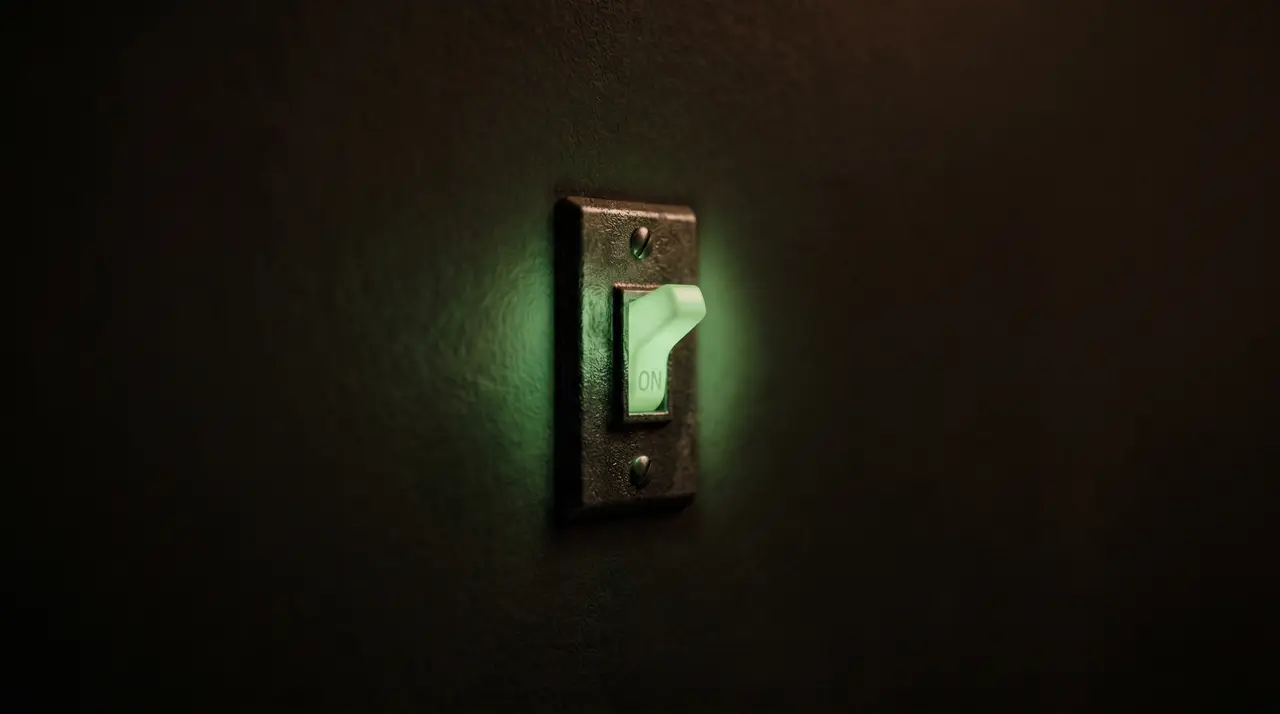
you don't have a discipline problem. you have an activation problem - getting started is the wall, not the work. so stop trying to push harder through the wall and build ramps around it instead: make the right action the easy one, manufacture the urgency and interest your brain needs to fire, and keep the structure outside your head where it can't evaporate. that's the switch.

why the normal advice fails you specifically
a lot of brains run on importance. it's important, so they do it, even bored. that's the model every planner, every "eat the frog", every habit app is quietly built on.
your brain runs on something closer to interest and urgency. it fires hard for things that are novel, interesting, challenging, or on fire right now - and it goes quiet for things that are merely important. that's not a character flaw, it's wiring, and it's why you can hyperfocus for six hours on the fun part of a project and physically cannot make yourself send one boring email.
so when the advice says "just be disciplined," it's telling you to run software your hardware doesn't have. the fix isn't more discipline. it's to stop needing it - to build the work so the interest and urgency are already there.
the switch: ramps, not willpower
every method below does one thing - it lowers the activation energy of starting, or it manufactures the interest and urgency your brain needs to engage. pick two or three. doing all of them is its own avoidance.
- shrink the start until it's stupid. not "work on the project tonight." that's a wall. "open the file and write one ugly sentence." the goal is to make the first action so small it's harder to avoid than to do. starting is the wall; once you're moving, momentum is free.
- manufacture a deadline that's real. your brain won't fire for "someday." it fires for "in twenty minutes." tell a person you'll send them the thing today. put a timer on. book the call before the work is ready. an external deadline is borrowed urgency, and borrowed urgency starts the engine.
- body-double. work next to someone, on a call, in a cafe, on a silent video with a stranger doing their own work. the quiet presence of another person turns "i should" into "i'm doing it now." it sounds too simple to matter. it's the single most reliable trick there is.
- get it out of your head. every open loop you're holding - remember to do x, don't forget y - burns the exact working memory you need to start. dump all of it into one list the second it appears. the head is for running the task, not storing it.
- make the right thing the lazy thing. put the guitar on the stand, not in the case. open the project to the next action before you close the laptop, so tomorrow it's already staring at you. one tab, not forty. design your space so the path of least resistance points at the work, because on a low-fuel day you will take the easy path - so make the easy path the right one.
use your hyperfocus instead of fighting it
the same wiring that won't let you start a boring task gives you a superpower the willpower brains don't have: hyperfocus. when the interest is there, you can do in one charged evening what takes other people a week.
the move isn't to spread the work evenly like the planners say. it's to engineer the conditions that trigger the focus - novelty, a clear challenge, a deadline, a clean run at it - and then ride it hard when it comes. build your side project in those bursts. protect them. arrange the boring maintenance into small ramped starts on the flat days, and save the big creative pushes for when the engine is already roaring.
a small ai-assisted stack helps here more than it does for anyone else: it collapses the boring, high-activation-energy parts - the blank page, the setup, the admin - so the wall you have to start at is lower and the interesting part arrives sooner. that's leverage aimed exactly at the thing that stops you (how to make money with ai).

stop paying the shame tax
here's the part that actually changes things. every time you "fail" at a system built for a different brain, you pay a tax in shame, and that shame makes the next start even harder - because now the task isn't just boring, it's loaded with the memory of failing at it. the spiral isn't laziness. it's a feedback loop you were set up to lose.
drop the frame. you are not undisciplined, broken, or lazy. you are running a different operating system, and you've been using the wrong manual. swap the manual. build ramps instead of willpower, borrow urgency, get it out of your head, ride the focus when it comes. the work was never the problem. the starting was, and starting is a thing you can engineer.
build the side project the way your brain actually works - in ramped starts and focused bursts, with the structure outside your head. that's not a workaround for a broken brain. it's the right tool for the one you have.
faq
why can't i start tasks even when i want to and have time?
because the wall for an adhd brain is activation, not effort. tasks that aren't novel, interesting, urgent, or challenging don't trigger the brain to engage, no matter how important they are or how much you want them done. the fix is to lower the cost of starting (shrink the first step until it's trivial) and to manufacture urgency or interest, not to push harder.
is it laziness or adhd?
laziness is not wanting to. the adhd pattern is desperately wanting to and being unable to begin - then feeling awful about it. if you can hyperfocus for hours on things that grip you but can't start things that bore you, that's an interest-and-urgency-based nervous system, not a lack of will. it responds to structure and ramps, not to shame.
what actually works for adhd productivity?
externalize and ramp. make the first step tiny, manufacture real deadlines, work alongside someone (body-doubling), dump open loops out of your head into one list, and design your environment so the right action is the easy one. then engineer and protect the conditions that trigger hyperfocus and do the heavy creative work in those bursts.
more: don't quit your job for your side project until it passes this test and legit ways to make money online. more in the notes.