own the asset, not the account
you can have a hundred thousand followers and own nothing. that is not a glitch.
it is the design. an account is permission to use someone else's asset, and permission gets revoked.
so before you pour another year into a feed, one question is worth sitting with: what here is actually yours?
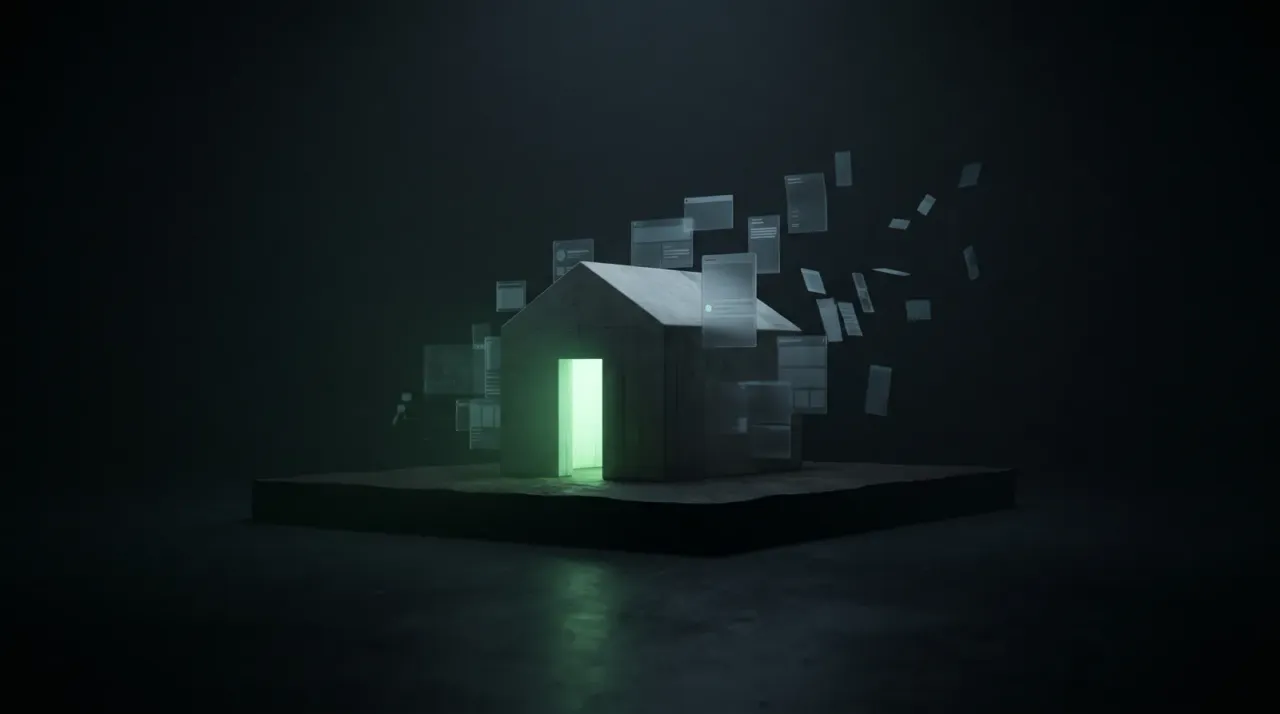
here is the short answer. an account is borrowed reach. an asset is something you own, that keeps producing, that nobody can switch off. the work is learning to tell them apart, then building the second kind.
an account is borrowed. an asset is owned.
an account is a row in someone else's database. the followers are theirs to show or hide.
the reach is a dial on their dashboard, and they can turn it down without telling you. you found out how much you were renting the day the algorithm changed and your numbers fell off a cliff for no reason you were given.
the platform is the landlord. you are the tenant who renovated the apartment. you can have the nicest place on the block and still get the lease pulled on a tuesday.

an asset is the opposite. it keeps producing value, it is yours to keep or sell, and no one can repossess it on a whim.
online, that means a few specific things - and you can start building them this week.
the digital assets you can actually own
three of them, in order of how hard they are to take away:
- your own site. a permanent home on a url that is yours. content lives here and compounds instead of scrolling away. it is the one address you control end to end. (it needs hosting you control, not a page rented inside an app.)
- a direct line to your audience. an email list is the asset platforms quietly fear, because it is the one relationship they do not sit in the middle of. you can reach those people whether or not any feed cooperates. lose your account tomorrow and the list still works.
- your offers, on your terms. affiliate links, your own products, a checkout - placed where you decide, not where an algorithm allows. this is the part most people never build, and it is the part that pays.
content, audience, and the way you earn, all on ground you control. that is the stack that does not depend on anyone's goodwill. miss one of the three and you are still half a tenant.

what the platforms can never give you
platforms rent you attention and keep the asset. that is not a flaw, it is the entire business model - it is why they exist and why they are free.
so you can earn well inside one and still be a tenant: no equity, no resale, no say when the terms move. owning the page flips the math.
you stop renting reach and start building something with a balance sheet - a thing worth more next year because the work accrues to you, not to a feed. an audience you can reach directly is an asset you can value.
a follower count is a number on a dashboard you do not own.
renting attention vs building equity
the trade is real, so name it. renting is faster at the start.
the crowd is already there, the tools work, you post and people show up. building your own ground is slower - no borrowed audience, no built-in distribution - and that slowness is the whole point.
rented reach evaporates the day the rules change. an asset compounds every month you keep it.
think of it as the difference between a paycheck and equity. both are money. only one is still worth something after you stop showing up.
the real middle
this is not a purity test, and it is not anti-platform. platforms are excellent megaphones, and a megaphone with a built-in crowd is worth using.
the mistake is letting the rented megaphone be the only place your work and your audience exist.
so use both, in the right order. post on the platforms.
point everything home. capture the people who care onto a list and a site you own. borrow the distribution, own the asset. that is the move.
faq
what counts as a digital asset?
something that keeps producing value and that you control: a website on your own domain, an email list, a product or offer you own. a social following is reach, not an asset - you do not own the relationship or the distribution.
is an email list really that important?
it is the most durable asset most creators can build. it survives algorithm changes and account loss, and it reaches people directly. start collecting emails before you need them.
do i still need social media then?
yes - as a feeder, not a home base. social earns you attention; your site and list are where that attention becomes something you keep.
use platforms to find people, then bring them onto ground you own.
slower at the start, yours the whole way. more in the notes, the companion piece on what you lose publishing on someone else's platform, and the practical version in how to make money with a blog.